Happy Scrappy Recycling authority guide
History of Recycling in Australia: Timeline, Policy, Kerbside Bins and Container Deposits
This page is written for quality over bulk text. It focuses on practical recycling substance: material value, contamination control, sorting systems, end markets, diagrams, reference tables and operational decisions.
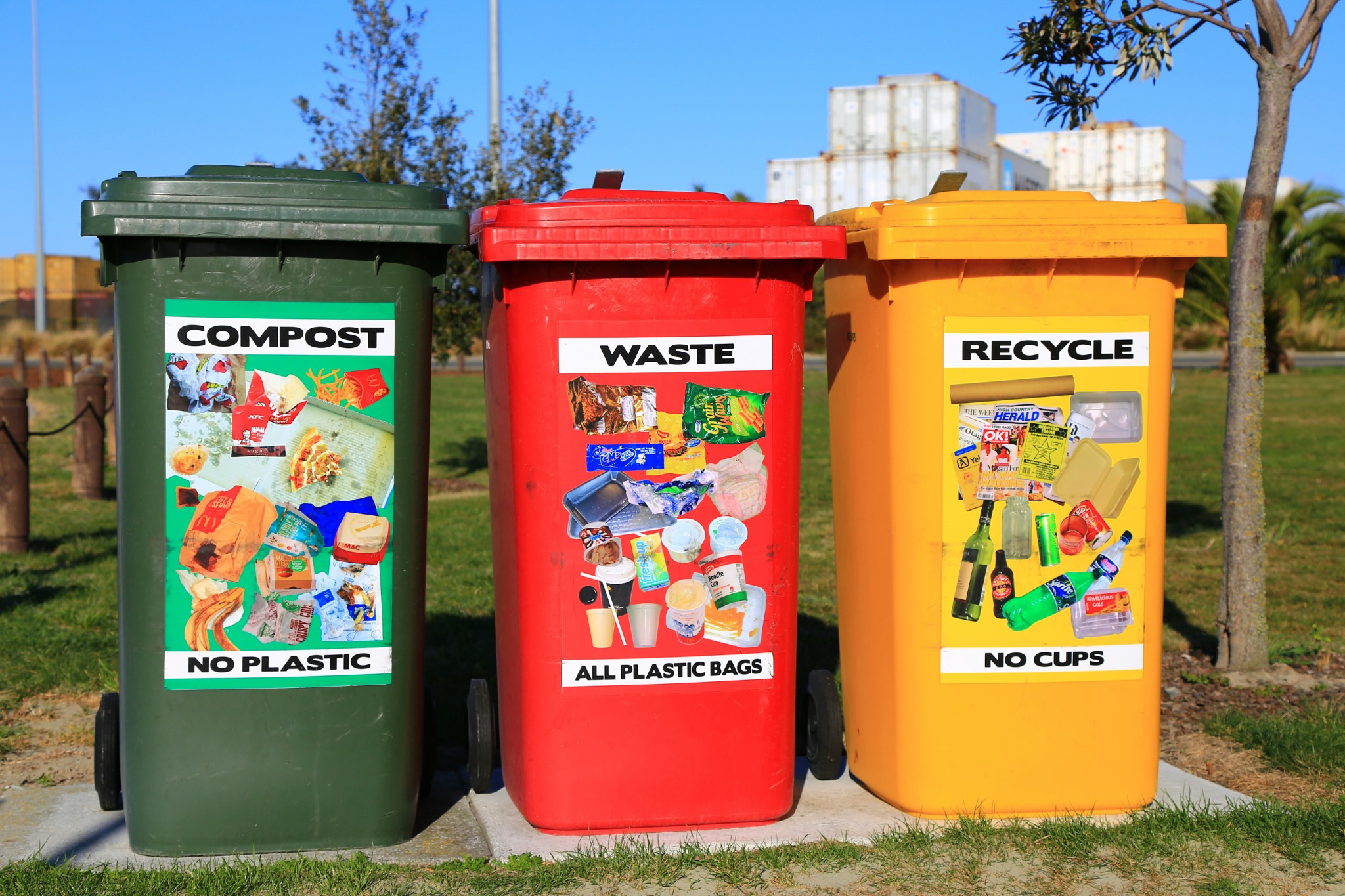
Recycling History In Australia: what this guide is really about
Recycling History In Australia matters because recycling is only useful when the recovered material can become a reliable input for something else. A bin is the start of the system, not the system itself. The real test is whether the material is clean enough, sorted well enough and demanded strongly enough to move into a genuine end market.
From an operator’s point of view, recycling history in australia succeeds when the right behaviour is easier than the wrong behaviour. That means bin stations, signage, collection frequency, staff training, cleaner instructions and contractor requirements all need to line up. A recycling program that depends on people guessing correctly will eventually fail.
Quality is everything. Moisture, food, broken glass, batteries, soft plastics, textiles and general rubbish can reduce the value of a load or create safety problems. Clean material is not just nicer; it is cheaper to process, safer to handle and more attractive to buyers.
Recycling history timeline: Australia and the wider shift
| Period | What changed | Why it matters |
|---|---|---|
| Pre-industrial reuse | Repair, refill, rag-and-bone collection, scrap metal recovery and bottle return practices were common because materials had direct value. | Recycling was not always a green idea; it was often an economic necessity. |
| Post-war disposable growth | Mass production, plastics and supermarket packaging made disposable convenience normal. | Waste systems shifted from reuse and repair to collection and disposal. |
| 1970s environmental movement | Litter campaigns, pollution awareness and community recycling groups created public pressure. | Recycling became part of civic responsibility, not only scrap trading. |
| 1980s-1990s kerbside expansion | Many councils introduced household recycling bins and collection contracts. | Convenience increased participation but also introduced contamination challenges. |
| 2000s MRF growth | Materials Recovery Facilities used screens, magnets, eddy currents, optical sorters and balers to process mixed recycling. | Technology improved recovery but still depended heavily on clean input streams. |
| 2010s export market shock | Global restrictions on contaminated recyclables forced countries to confront local processing capacity and quality standards. | Recycling could no longer rely on exporting low-quality mixed material. |
| 2020s circular economy focus | Procurement, recycled content, product stewardship, container deposits and FOGO became more central. | The goal shifted from “collect more” to “recover value and create real end markets”. |
What shallow recycling histories miss
Recycling is often presented as a modern environmental invention, but the deeper history is more practical. People reused bottles, repaired tools, sold scrap metal, collected rags and refilled containers long before the modern kerbside bin. What changed in the twentieth century was the scale of disposable packaging and the way convenience moved responsibility from producers and retailers onto councils, households and waste contractors.
A better history of recycling is not just a timeline of bins. It is a timeline of material value. When a material has a clear buyer, recycling is strong. When collection grows faster than end markets, the system becomes fragile. Modern circular economy policy is essentially an attempt to reconnect collection with design, procurement and manufacturing demand.
Practical reference table
| Element | Why it matters | Common failure |
|---|---|---|
| Source separation | Clean streams are cheaper and more valuable to process. | Bins placed alone, vague signs, hidden contamination. |
| Collection design | Capacity and collection frequency shape behaviour. | Overflow teaches people that separation does not matter. |
| Processor requirements | Accepted items vary by local facility and end market. | Assuming every recycling symbol means accepted locally. |
| Feedback loop | Audits and photos reveal what to fix first. | No one sees contamination until the invoice or rejection. |
System design
The higher-value conversation begins before disposal. Can the item be avoided, reused, repaired, refilled, standardised or bought with recycled content? Recycling is essential, but it is strongest when supported by better purchasing and product design.
Education works best when it is visual, local and specific. A photo of the exact takeaway cup used in the building is more useful than a generic icon. Short instructions at the point of disposal work better than long policy documents that nobody reads when they are holding rubbish.
From an operator’s point of view, recycling history in australia succeeds when the right behaviour is easier than the wrong behaviour. That means bin stations, signage, collection frequency, staff training, cleaner instructions and contractor requirements all need to line up. A recycling program that depends on people guessing correctly will eventually fail.
Contamination and quality
The most common mistake is assuming the recycling symbol on packaging means the item is accepted in every local bin. It does not. Recycling depends on local collection contracts, sorting equipment, processor rules and commodity markets. Good education explains local acceptance rather than relying on generic promises.
Quality is everything. Moisture, food, broken glass, batteries, soft plastics, textiles and general rubbish can reduce the value of a load or create safety problems. Clean material is not just nicer; it is cheaper to process, safer to handle and more attractive to buyers.
Measurement turns recycling from a feel-good claim into an operational system. A useful record captures volumes, contamination, collection frequency, rejected loads, cost changes, training actions and end-market notes. Without measurement, no one knows whether the program improved or simply moved waste into a different bin.
Operational playbook
From an operator’s point of view, recycling history in australia succeeds when the right behaviour is easier than the wrong behaviour. That means bin stations, signage, collection frequency, staff training, cleaner instructions and contractor requirements all need to line up. A recycling program that depends on people guessing correctly will eventually fail.
Measurement turns recycling from a feel-good claim into an operational system. A useful record captures volumes, contamination, collection frequency, rejected loads, cost changes, training actions and end-market notes. Without measurement, no one knows whether the program improved or simply moved waste into a different bin.
Commercially, recycling history in australia affects disposal cost, cleaning labour, storage space, brand credibility, safety and procurement. Businesses often focus on collection cost, but the bigger opportunity is designing the system so less material becomes mixed waste in the first place.
Education that changes behaviour
Education works best when it is visual, local and specific. A photo of the exact takeaway cup used in the building is more useful than a generic icon. Short instructions at the point of disposal work better than long policy documents that nobody reads when they are holding rubbish.
The most common mistake is assuming the recycling symbol on packaging means the item is accepted in every local bin. It does not. Recycling depends on local collection contracts, sorting equipment, processor rules and commodity markets. Good education explains local acceptance rather than relying on generic promises.
The higher-value conversation begins before disposal. Can the item be avoided, reused, repaired, refilled, standardised or bought with recycled content? Recycling is essential, but it is strongest when supported by better purchasing and product design.
Commercial value and end markets
Commercially, recycling history in australia affects disposal cost, cleaning labour, storage space, brand credibility, safety and procurement. Businesses often focus on collection cost, but the bigger opportunity is designing the system so less material becomes mixed waste in the first place.
Quality is everything. Moisture, food, broken glass, batteries, soft plastics, textiles and general rubbish can reduce the value of a load or create safety problems. Clean material is not just nicer; it is cheaper to process, safer to handle and more attractive to buyers.
The higher-value conversation begins before disposal. Can the item be avoided, reused, repaired, refilled, standardised or bought with recycled content? Recycling is essential, but it is strongest when supported by better purchasing and product design.